
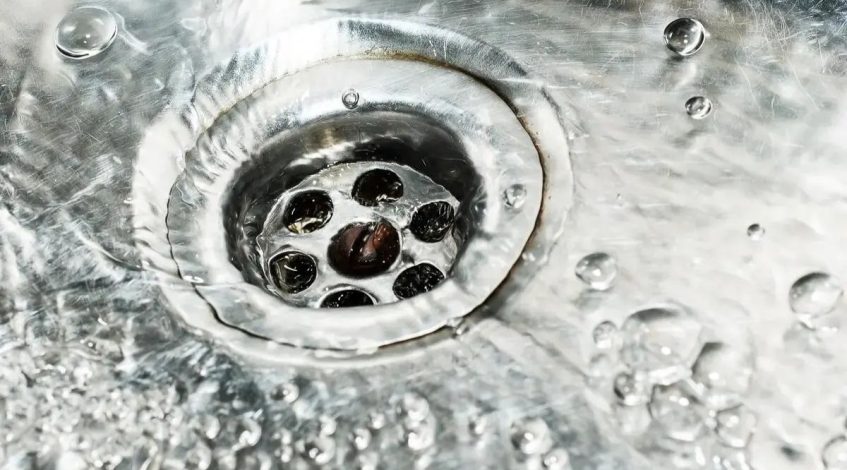
If you’re like most homeowners, you don’t think about drain maintenance very often.
But are you here because you’re dealing with:
- A slow sink?
- A gurgling toilet?
- A puddle forming where it shouldn’t?
That’s right, your drains quietly do their incredibly important job … until they don’t. And by the time the symptoms appear, the problem is usually already well established.
That makes a bit of regular drain maintenance genuinely one of the simplest ways to avoid the kind of plumbing emergency that turns your day upside down – and your wallet inside out right in the middle of a cost-of-living crisis.
And here’s something worth knowing upfront:
While your home has several different types of drains – kitchen, bathroom, laundry, sewer, stormwater – they all operate on the same basic principles:
- Water flows in one direction, through pipes of varying size, toward an exit point.
- Blockages form when something interrupts that flow.
- Prevention, in every case, is cheaper and easier than the cure.
Best Plumbers Club’s exclusive drain maintenance guide works through those universal principles first, then breaks down what’s specific to each drain type – so whether you’re maintaining one drain or all of them, you’ll know exactly what to do and how often to do it.
The universal principles of drain maintenance
These apply to every drain in your home, without exception.
1. Control what goes in
The single most effective thing you can do for any drain is manage what enters it. Drains are designed to handle water – and only water, or water-based waste in the case of toilets. Everything else is a potential blockage waiting to form.
Things like:
- Food scraps
- Grease
- Hair
- Soap scum
- Wet wipes
- Cotton balls
- Paper towels.
They can all seem perfectly reasonable to put down the drain at the time – but absolutely none of them belong in your drains, regardless of what the packaging might claim about being ‘flushable’.
2. Flush regularly with hot water
Running hot water through your drains for 30-60 seconds after use helps keep the interior of the pipe clear by softening and flushing residue before it builds up. It’s a simple habit that costs nothing and makes a genuine difference over time.
3. Use drain covers & strainers
A basic strainer over a kitchen sink or shower drain catches the majority of the solid material that would otherwise enter the pipe. Emptying it regularly is one of the most effective forms of drain maintenance available – and it requires:
- No tools
- No products
- No plumber!
4. Watch for early warning signs
Do you know the early indicators that flow is being restricted somewhere in the system?
They are:
- Slow drainage
- Gurgling sounds
- Unpleasant odours from drain openings
- Water pooling around floor wastes.
They’re not the only signs, but they’re certainly the earliest indicators that flow is being restricted somewhere in the system. Catching these signs early and acting on them can be the difference between a simple clean and a blocked drain emergency.
5. Schedule periodic professional inspections
Even well-maintained drains benefit from a professional CCTV inspection every few years – particularly in older homes or properties with significant tree cover. Clean pipes that have been professionally inspected give you confidence there’s nothing building up out of sight that will become a problem down the track.
Drain maintenance by type
On top of the universal principles we’ve just outlined, every drain in your home has its own specific maintenance needs as well.
Here’s what to focus on for each one – and how often to do it.
1. Kitchen drains
Kitchen drains cop more abuse than almost any other drain in the home.
Grease and cooking oil are the main offenders – they go down liquid and solidify on the pipe walls as they cool, gradually narrowing the pipe until flow is seriously restricted. Food scraps compound the problem.
WHAT TO DO:
- Never pour cooking oil or grease down the drain – collect it in a container and dispose of it in the bin.
- Use a sink strainer at all times and empty it after every use.
- Once a week, flush the drain with boiling water to soften grease buildup.
- Once a month, a mixture of bicarb soda followed by white vinegar, left for 15-20 minutes then flushed with hot water, helps break down residue before it accumulates.
If your kitchen sink is draining slowly, address it early – kitchen drain blockages involving hardened grease often require professional hydro jetting to clear properly.
2. Bathroom drains – Shower, bath & basin
Hair and soap scum are the primary culprits in bathroom drains. Hair binds with soap residue to form dense, sticky blockages that accumulate gradually and can be surprisingly resistant to DIY clearing once established.
WHAT TO DO:
- Use a hair strainer on every shower and bath drain – this is non-negotiable if you want to avoid regular blockages.
- Clean the strainer after every shower.
- Flush bathroom drains with hot water weekly.
- A monthly bicarb and vinegar flush helps manage soap scum buildup.
If hair has already made it past the strainer, a drain snake or hair removal tool can clear the immediate blockage – but if the drain is slow despite regular cleaning, there may be a deeper accumulation that needs professional attention.
3. Toilet drains
Toilets are designed to handle human waste and toilet paper – nothing else. The volume of blockages caused by wet wipes, cotton products, nappies, and hygiene items flushed down toilets is enormous, and the resulting blockages are among the most unpleasant and disruptive to deal with.
WHAT TO DO:
- Establish a household rule – only waste and toilet paper go in.
- Check that the toilet is flushing completely and that the cistern is refilling properly after each flush. A toilet that runs constantly or flushes weakly or not at all can indicate a developing issue.
If the toilet is slow to drain or gurgling after flushing, call a plumber before it becomes a full blockage.
If you live in a condo or apartment, drainage works a little differently since your pipes connect to a shared building system. This guide on understanding the plumbing system in your condo explains how it all fits together.
4. Laundry drains
Laundry drain maintenance is often overlooked, but lint, fabric fibres, and detergent residue accumulate steadily in laundry pipes and can cause slow drainage over time.
WHAT TO DO:
- Clean your washing machine’s lint filter regularly.
- Run an empty hot cycle monthly to flush the machine and drain line.
- Check that the drain hose isn’t kinked or positioned in a way that causes water to back up.
5. Storm drains
Storm drain maintenance is particularly important for Australian homeowners given the intensity of seasonal rainfall. Stormwater drains move large volumes of water rapidly during heavy rain events – and a blocked or partially obstructed stormwater system can cause significant water damage to a property very quickly.
WHAT TO DO:
- Keep stormwater drain grates clear of leaves, debris, and garden material – particularly heading into the wet season.
- Check that downpipes are connected properly to the stormwater system and aren’t discharging water against the house foundation.
- Have stormwater lines inspected if you have significant tree cover on the property, as root intrusion into stormwater pipes is common and often goes undetected until a major blockage occurs during a heavy rainfall event.
When to call for professional drain maintenance services
DIY maintenance handles the majority of routine drain care – but there are situations where drain maintenance services from a licensed plumber are the right call:
- Recurring blockages in the same drain despite regular cleaning
- Multiple drains running slowly at the same time – this often indicates a main line issue rather than individual drain problems
- Gurgling sounds coming from drains when other fixtures are used
- Sewage odours inside the home that don’t clear
- Any suspected issue with underground stormwater or sewer lines
Prior to purchasing a property, to understand the condition of the drainage system.
Professionally cleaning pipes via hydro jetting clears buildup that no DIY method can touch – particularly hardened grease, compacted debris, and minor root intrusion. A CCTV inspection following a jet clean gives you a clear picture of the pipe’s condition and whether any structural issues need addressing.
Need a hand with your drains?
Best Plumbers Club connects you with licensed, reviewed, and recommended local plumbers across Australia. Every single one is ready to:
- Clear your blockages
- Carry out professional drain inspections
- Get your entire drainage system back in proper working order.
Call or request your quote online – and a local plumber will be in touch.
Related posts:
 A Homeowner’s Guide to Plumbing Problems and What You Should Do
 The Homeowner’s Guide to Overflow Relief Gully Maintenance
 How to Unblock Drains: DIY Drain Cleaning Tips
 Hydrochloric Acid For Drains: Is It Safe & Legal in Australia?
 Easiest Ways To Unblock A Bath Drain
 Smelly Drains? How To Prevent & Stop Drain Smells