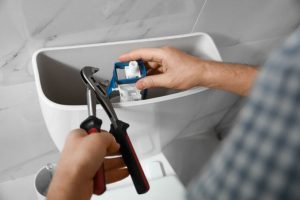

A slow-draining toilet works like traffic building up on a narrow road. Everything still moves, but nothing flows smoothly anymore.
Many homeowners wonder what causes that delay and why it keeps happening, especially when the toilet not flushing properly becomes a regular issue. The idea of buildup, blockages, or vent issues starts to cross your mind. You begin paying attention to flushing habits and paper use.
Understanding these details helps explain why toilet plumbing issues rarely happens by accident.
Be Mindful of What Goes Into the Toilet
Toilets are built to handle human waste. Anything outside of that puts extra stress on the system. Homeowners flush items like:
- Baby wipes, including ones labelled flushable
- Paper towels, facial tissues
- Feminine hygiene products that swell in water
- Cotton buds, pads, cotton balls
- Small food scraps or grease from bathroom sinks
From what plumbers see on jobs all the time, flushing the wrong items rarely causes an instant blockage. The trouble builds up quietly in the background.
As that debris sticks around, the pipe slowly narrows and water has less space to move through. Each flush loses a bit of strength without the homeowner realising it. Toilets start taking longer to drain or needing an extra flush more often.
Use Less Toilet Paper Than You Think You Need
Even though toilet paper is meant to break down, plumbers see large amounts bunch up as they move through the trap and pipe bends.
Instead of falling apart straight away, the paper sticks together. When that becomes a regular habit, flushes take longer to clear and water hangs around in the bowl longer than it should. Minor clogs start popping up and slow drainage becomes the new normal.
Flush Once Per Use Instead of Letting Waste Sit
Toilets rely on consistent water movement to keep pipes clear. Each flush creates enough force to push waste through the trap and into the main line. When waste is left sitting, that movement does not happen when it should.
Flushing once per use helps maintain steady flow through the system. That regular movement keeps pipes functioning the way they were designed to.
Pay Attention to Early Changes in Drain Speed
A slow filling toilet tank is the first sign something isn’t right. After a flush, the water should drop and settle within a few seconds, not hang around doing slow laps. Or, if the bowl still looks full after five to ten seconds, that’s the first hint something is starting to slow down.
Notice when the water drains in awkward stages instead of one clean whoosh. When a toilet stops clearing smoothly, it’s often trying to tell you something early on.
Avoid Using the Toilet as a Backup Bin
If it belongs in the bin, it has no business going in the toilet. Toilets are not a backup trash can, no matter how small or harmless something seems at the moment.
Tissues, wipes, cotton buds, and random bathroom bits might feel easier to flush, but that convenience comes back to bite later.
Plumbers see this all the time and it always starts with someone thinking, “It’s small, it’ll be fine.” It usually isn’t. One of the easiest ways to avoid the temptation is simple placement.
Keep a small trash bin right next to the toilet so there’s no excuse to reach for the flush instead. Making the right choice easier is often all it takes to keep things flowing properly.
Make Sure Bathroom Vents and Plumbing Vents Stay Clear
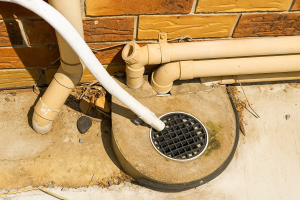
Most homeowners do not realise that toilets rely on airflow just as much as water to drain properly. Plumbing vents allow air to move through the system so waste and water flow smoothly. When those vents are blocked, drainage slows down even if the pipes themselves are clear. Here’s how you can keep them functional:
- Check roof vent openings for leaves, dirt, or debris
- Make sure nothing is covering or blocking vent pipes
- Keep bathroom exhaust fans clean and free of dust buildup
- Listen for gurgling sounds after flushing or draining water
- Notice if slow drainage keeps happening without an obvious cause
- Have a plumber clear vent buildup and flush the vent with water if needed
- Confirm air and water can move freely through the vent system
Vents can collect dust, leaves, and unexpected guests like birds or insects. Monitoring vent performance keeps drainage working smoothly.
Clean Mineral Buildup Inside the Bowl and Rim Holes
Minerals in the water leave a chalky residue where water flows in during a flush. This buildup happens little by little and is not a reflection of how clean the bathroom is or how often the toilet gets used.
When mineral deposits start interfering with flushing, plumbers rely on products designed to dissolve buildup safely. These solutions work on areas homeowners cannot easily reach.
- Professional descaling solutions (Descale It, Shield-Pro Scaler, Oates Descaler, and RCL 70)
- Hard-water mineral removers (Pro Strength Hard Water & Mineral Remover, Bio Clean Hard Water Stain Remover, Hillmark Scalex)
- Plumber-approved acidic cleaners (Drain Cleaner Acid 98)
Disclaimer: This is a high-strength chemical product intended for professional use. Due to its acidic properties and potential fumes, plumbers handle it with specialised equipment and safety procedures. Homeowners should avoid direct handling.
Address Small Drain Issues Before They Become Normal
Smooth drainage should stay the standard.
A toilet that drains properly fades into the background of daily life. When it starts demanding attention, something has already shifted. Small changes are worth noticing before they turn into habits. Taking action early keeps bathroom plumbing predictable and stress-free. Remember: Prevention is about awareness more than effort.
For ongoing maintenance tips and access to local plumbers, visit Best Plumbers AU.