
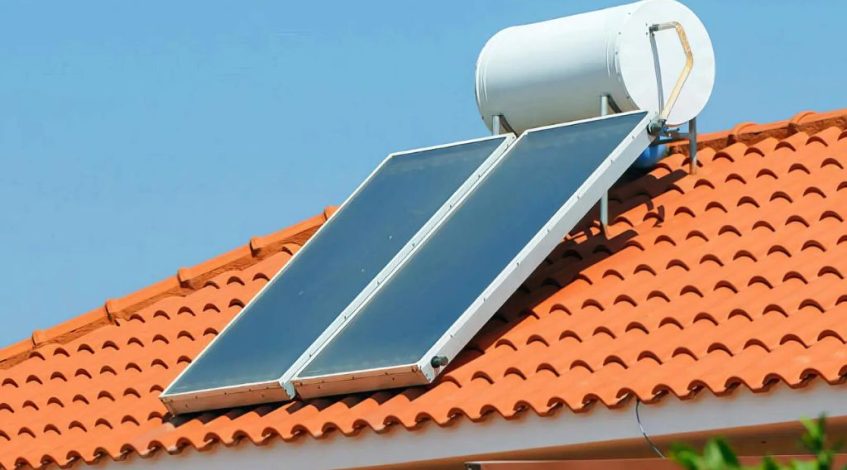
Is your solar hot water not working as it should? When it happens – and it inevitably will – it’s one of those problems that feels bigger than it usually is. Why’s that? Well, cold showers in winter are pretty bad! But mainly it’s because nobody really understands how their solar hot water system works in the first place.
The good news is most issues actually fall into a fairly small number of categories – and it turns out that working through them in order usually points you straight to the cause.
So here’s a simple troubleshooting guide that actually works:
Step 1: Is it really a solar problem, or a booster problem?
Most solar hot water systems have a booster – electric or gas – that kicks in in cloudy weather or overnight to top up what the sun didn’t manage. So the first thing to work out is whether the issue is with solar collection or with the booster.
Quick check: If you’ve had no hot water at all, even after a sunny stretch of days, the booster is the more likely culprit – solar alone rarely fails completely overnight, but a booster can.
If your solar hot water booster not working is the issue specifically, check:
- Whether the booster’s circuit breaker has tripped (electric boosters)
- Whether the gas supply is on and the pilot light is lit (gas boosters)
- Whether the booster’s thermostat is set correctly and hasn’t been knocked or adjusted.
A tripped breaker or an unlit pilot light accounts for a large share of ‘no hot water at all’ calls. Worth ruling out before assuming anything more serious.
Step 2: Check if it’s heating, but just not enough
If you’re getting some hot water but it’s not lasting – or it’s not as hot as it should be – that’s a different problem to no hot water at all. And it usually points toward the solar collection side rather than the booster.
Solar hot water not heating adequately is commonly caused by:
Shading on the panels: New tree growth, a neighbouring structure, or even seasonal sun angle changes can reduce how much sunlight reaches the collector
Dirty or dusty panels: A layer of grime on the collector surface measurably reduces heat absorption.
An ageing system: Solar collectors and tanks do lose efficiency over 10-15-plus years.
Recent weather: Several consecutive overcast days will reduce solar contribution regardless of system condition.
If panel shading or dirt seems likely, that’s an easy thing to check visually from the ground or via a quick look from a safe vantage point.
Step 3: Look for signs of a leak
A hot water leak changes the troubleshooting path significantly, so it’s worth ruling in or out early.
A solar hot water leaking on roof surfaces is more common than people expect, and it’s usually one of the following:
- A cracked or deteriorated pipe joint where the collector connects to the roof plumbing
- A failed seal around the collector frame
- Corrosion in an older copper or steel system
- A burst or split in flexible hose connections, particularly in systems exposed to extreme heat cycling over many years.
What to look for: Keep your eye out for water stains on the roof near the collector. A drop in tank pressure is another clear sign – as is unusually high water bills with no other explanation. And if you’re seeing visible dripping near the roof-mounted unit, don’t ignore that either.
If you spot a leak, this is the point where the guide stops and a licensed plumber starts. Leaks on roof-mounted solar plumbing involve working at height and on pressurised systems – not a safe or sensible DIY job.
Step 4: Rule out a tank or valve problem
If there’s no leak and the booster checks out, the next most common cause is something inside the storage tank itself.
Common tank-side issues with a solar hot water system not working properly include:
- A faulty temperature/pressure relief valve, which can cause water to discharge externally or fail to regulate properly
- Sediment buildup inside the tank reducing effective storage capacity
- A failed thermostat that’s no longer accurately reading or regulating temperature
- An ageing tank approaching the end of its serviceable life, particularly past the 10-year mark.
These issues typically present as inconsistent hot water, water that’s hotter or cooler than expected, or audible valve discharge that shouldn’t be happening under normal conditions.
Step 5: Check for common problems with solar hot water in combination
Sometimes more than one of the above is happening at once – which is part of why this can feel confusing to diagnose from the ground.
A few of the most frequent combinations:
- A tripped booster plus a few overcast days, creating a ‘no hot water at all situation that looks more serious than it is
- Panel shading plus an ageing tank, producing gradually worsening performance over a season rather than a sudden failure
- A small leak plus sediment buildup, where the leak has been slowly developing for a while and the sediment is a separate, unrelated ageing issue.
If you’ve worked through steps 1 to 4 and you’re still not sure what’s going on, that’s a completely normal place to land – and exactly the point where a professional assessment is the efficient next move rather than more guesswork.
When to find one of the best plumbers
Booster issues like a tripped breaker or an unlit pilot light are reasonable to check yourself. But everything from Step 3 onward needs a licensed plumber:
- The leaks
- The tank problems
- The valve issues
- Anything involving roof access or pressurised plumbing.
Don’t forget: attempting repairs on pressurised hot water systems or roof-mounted plumbing without the right training is a genuine safety risk, not just a warranty one.
Get a licensed plumber to sort it properly
If you’ve worked through this guide and you’re still without reliable hot water – or you’ve identified a leak, a tank issue, or anything beyond a simple booster reset – Best Plumbers Club connects you with reviewed, licensed local plumbers experienced in solar hot water systems.
Call the friendly team or request a quote online today.
Related posts:
 How To Find A Roof Leak Before It Causes Major Damage
 Leaking Hot Water System Troubleshooting & Repair
 How To Flush A Water Heater In 7 Super-Simple Steps
 How To Unblock A Drain Outside: 7 Simple Steps
 How To Unblock A Dishwasher (7 Simple Steps)
 A Homeowner’s Guide to Plumbing Problems and What You Should Do