
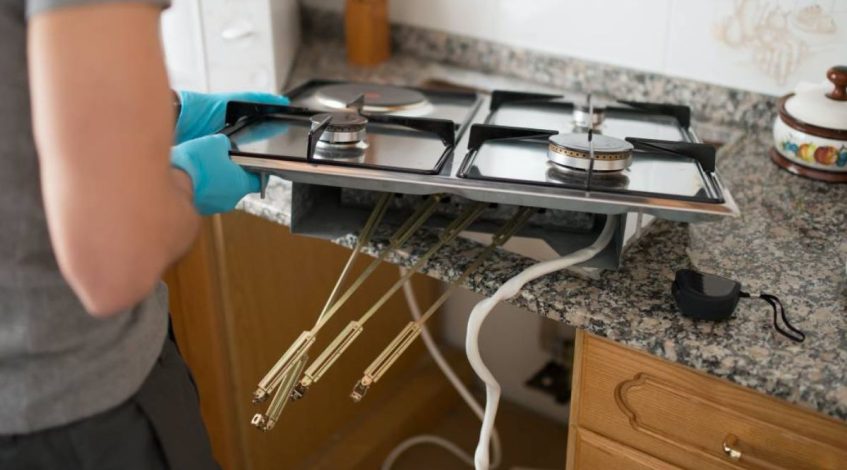
Switching to a gas cooktop is one of those kitchen upgrades that genuinely changes how you cook. That instant heat, the precise flame control, the superb compatibility with every type of cookware – it’s why so many Australian households still prefer gas over induction or electric when it comes to the cooktop. And if you’re planning a kitchen renovation, replacing an ageing electric cooktop, or moving into a home and want to upgrade before you unpack, getting your head around the gas cooktop installation cost is probably one of the first things on your mind.
Why is it so hard to get a straight answer on price?
As you may know, it’s a surprisingly hard question to get a straight answer on. Search around and you’ll find figures that range enormously – sometimes by hundreds or even thousands of dollars. That’s not because tradespeople are being evasive. It’s because the exact gas cooktop installation cost genuinely depends on a set of variables that differ from property to property, job to job.
In our exclusive guide, we’ll break down exactly what those variables are – so you can go into the process with realistic expectations and avoid the frustration of quotes that don’t match what you were expecting.
The factors that influence gas cooktop installation cost
Some of these will apply to your situation, some won’t – but understanding all of them means you’ll know exactly what questions to ask when you’re getting quotes, and you won’t be caught off guard when the scope turns out to be bigger than expected.
Here’s what actually moves the needle on price:
1. Whether your home already has a gas connection
This is the single biggest variable in the whole equation – and it’s the first thing any licensed gasfitter will establish.
If your home already has a working natural gas connection and a gas point in or near the kitchen, the installation is relatively straightforward.
The cooktop gets:
- Connected to the existing supply
- Tested
- Commissioned.
If there’s no existing gas connection – or the connection doesn’t reach the kitchen – you’re looking at additional work to extend the gas line to the right location. That’s a more involved job and the cost reflects it.
In some cases, particularly in areas not serviced by natural gas, LPG (bottled gas) is the alternative – which introduces its own set of considerations around cylinder placement and regulator setup.
Always establish your gas situation before getting quotes so you and the gasfitter are working from the same starting point.
2. The cooktop itself
The unit you’ve chosen – or are planning to choose – has a direct impact on what the gas install involves. A straightforward four-burner cooktop with standard fittings is a simpler job than a large six-burner commercial-style unit with higher gas pressure requirements.
Also factoring into the complexity of the installation are:
- The brand
- The number of burners
- The type of ignition system.
Some premium cooktops also have specific clearance and ventilation requirements that add to the scope of work. If you haven’t purchased the cooktop yet, it’s worth discussing your shortlist with a licensed gasfitter before you buy – they can flag any installation considerations that might affect your decision.
3. Existing cutout & bench compatibility
If you’re replacing an existing gas cooktop like-for-like, the bench cutout may line up perfectly with the new unit. But if you’re switching from electric to gas, or upgrading to a different sized cooktop, the bench may need modification.
This might involve:
- Cutting a larger opening
- Filling a smaller one
- Adjusting for a different mounting configuration.
Stone benchtops in particular add cost here. Cutting or modifying stone requires a specialist – it’s not something a gasfitter does as part of a standard cooktop installation, and it needs to be factored into the overall project budget separately.
4. Gas line work required
Even in homes with existing gas connections, the line may not terminate in exactly the right location for the new cooktop, or it may need upgrading to handle the new appliance’s flow requirements.
Gas line work involves:
- Running new pipe
- Relocating an existing connection
- Upgrading pipe sizing.
And this adds to the overall cost in proportion to the complexity involved.
Remember, this is licensed work and non-negotiable from a safety and legal standpoint. In Australia, all gas appliance installation must be carried out by a licensed gasfitter – there’s no legal DIY path here regardless of how straightforward it might look.
5. The location & access
Like most trades work, accessibility affects price. A cooktop installation in a ground floor kitchen with easy access to the gas meter is a very different job to one in a high-rise apartment or a split-level home – or a property where the gas meter is located far from the kitchen with limited access to the wall cavities in between.
If your property has any complexity in terms of access or layout, factor that into your expectations when getting quotes.
6. Whether additional compliance work is required
A licensed gasfitter doesn’t just connect the appliance and leave – they’re required to ensure the entire installation meets current Australian gas safety standards and issue the appropriate compliance documentation.
In some cases, particularly in older homes, this process reveals other issues that need addressing before the installation can be signed off:
- Outdated flexible connectors
- Non-compliant existing pipework
- Inadequate ventilation in the cooking area.
They all add serious scope to what started as a straightforward cooktop installation job.
But don’t let that be a reason to avoid the process – instead, it’s a reason to use a licensed professional who’ll identify these issues properly rather than overlooking them.
7. Call-out fees & labour rates
Searching for gas cooktop installation near me will return results with varying labour rates depending on a few things:
- Your location
- The business
- When you need the work done.
Metropolitan areas and regional areas price differently. After-hours or urgent jobs carry premiums. Some businesses charge a call-out or assessment fee separately from the installation labour – others include it in the overall quote.
The cleanest way to navigate this is to get a fixed upfront quote that covers the full scope before any work begins – so there are no surprises when the job is done.
What to do before you call a gasfitter
A bit of preparation before you pick up the phone makes the whole process smoother and helps you get more accurate quotes:
- Know whether your home has a gas connection and where it terminates
- Have the make and model of the cooktop you’re planning to install, or a shortlist
- Know your bench material and whether the cutout will need modification
- Check whether you need LPG or natural gas.
Armed with that information, a licensed gasfitter can give you a much more accurate quote on the first call rather than a broad range that doesn’t help you plan.
Getting a clear quote for gas appliance installation
The best way to get a clear, accurate figure for gas appliance installation is to work with a licensed gasfitter who provides fixed upfront pricing after a proper assessment – not a rough ballpark over the phone based on incomplete information. That’s the standard Best Plumbers Club holds its network members to on every job.
Ready to get your gas cooktop installed?
Best Plumbers Club connects you with real, licensed, reviewed, and genuinely recommended local gasfitters across Australia – all ready to:
- Assess your property
- Give you a fixed upfront quote
- Get your gas cooktop installation done properly.
Call or get a quote online – and a local gasfitter will be in touch.
Related posts:
 11 Kitchen Renovation Ideas & Costs: A Complete Guide
 The Truth Behind Rainwater Tank Installation Cost
 How Much Does Toilet Installation Really Cost?
 Is Pipe Relining Worth It? Costs, Lifespan, Pros & Cons Explained
 Hydrochloric Acid For Drains: Is It Safe & Legal in Australia?
 Which 3 Factors Influence Hot Water System Cost?